Natural DIY recipe
Curl Growth Elixir
A small-batch, all-natural formula that moisturizes curly strands and supports a healthy scalp for growth. No silicones, no sulfates — just seven ingredients you can pronounce, mixed in minutes.
Makes
≈ 100 ml
Keeps
7–10 days, fridge
Cost
Under $15
The ingredients
Each one earns its place — here's what it does and why curly hair loves it. Just the ingredients list · Get a kit list for your curl type · Track this batch in your hair journal.
Batch scaler
$50 Full Shelf planScale the whole recipe to any batch size — 25 ml for a patch test, 500 ml for the family — and every measurement recalculates for you. Unlocked with the $50 Full Shelf plan, along with the substitutions table below.
Unlock with the $50 plan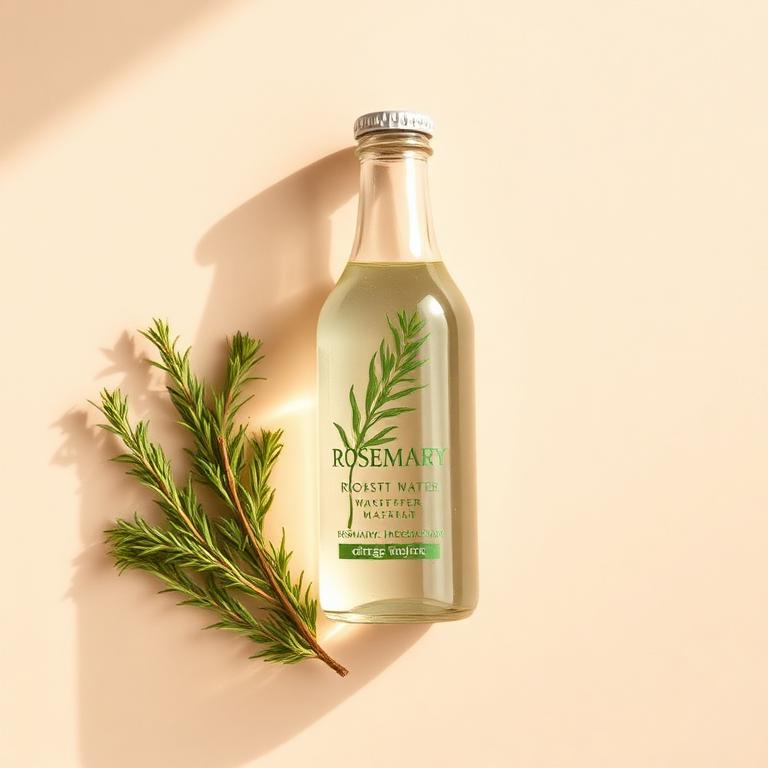
Rosemary-infused water
4 tbsp (60 ml)The base
A pale golden-green tea you brew yourself from dried rosemary or a fresh sprig — thin and watery, herbal smelling.
A humectant carrier that pulls water into the strand. Rosemary is widely studied for supporting a healthy scalp and follicle environment.
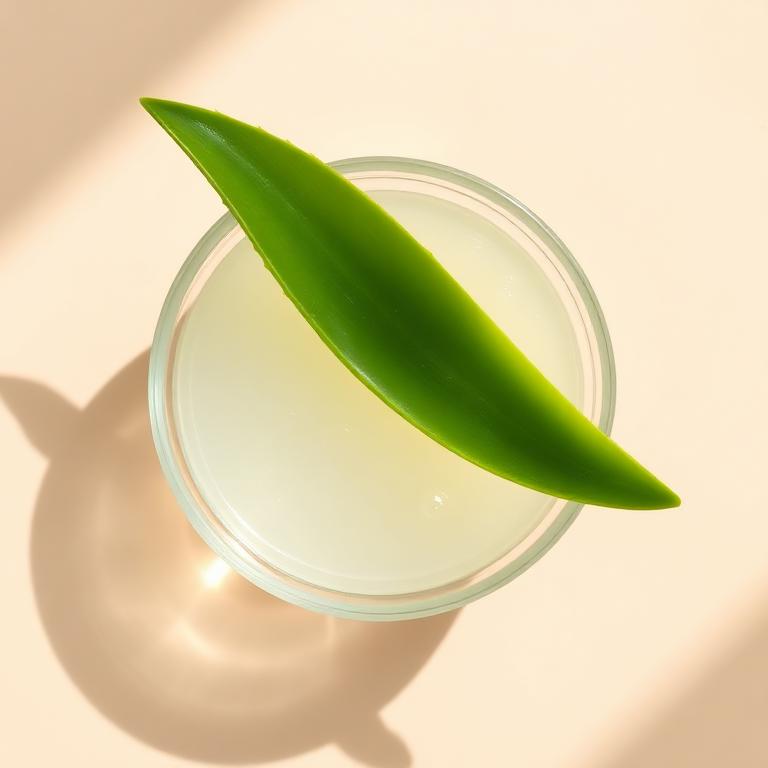
Aloe vera gel (fresh or pure)
2 tbsp (30 ml)Moisture + slip
A clear, slightly jiggly gel. Buy one with no added color and no alcohol high in the ingredient list, or scoop it fresh from a leaf.
Packed with water, enzymes and vitamins that hydrate the cuticle and leave strands slippery enough to detangle gently.
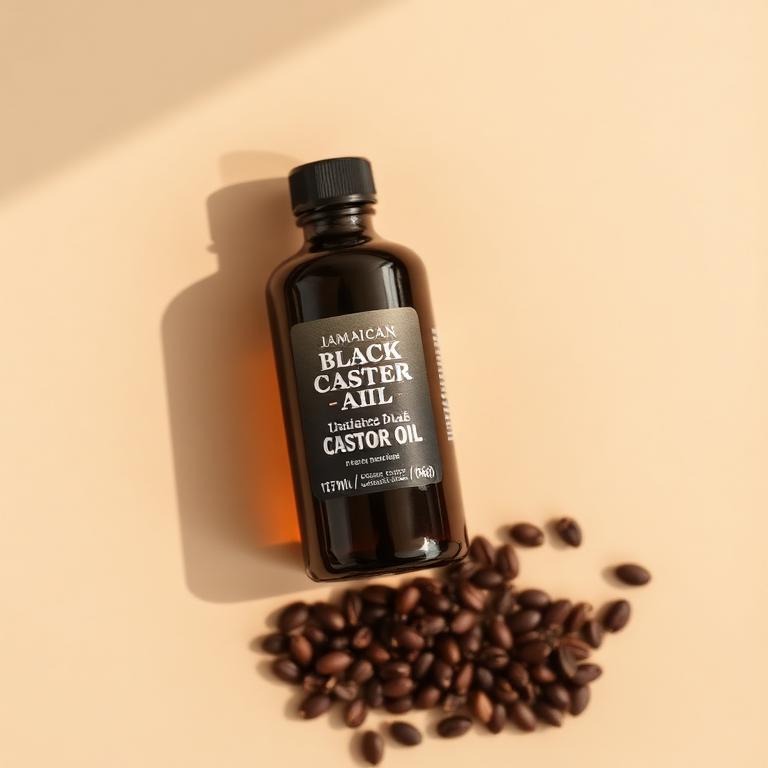
Jamaican black castor oil
1 tsp (5 ml)Seal + support growth
A thick, dark coffee-colored oil in an amber bottle, with a faintly roasted, smoky smell. Much darker than regular castor oil.
A thick sealing oil that locks moisture in and is a traditional favorite for edges, ends and thinning spots where breakage shows first.
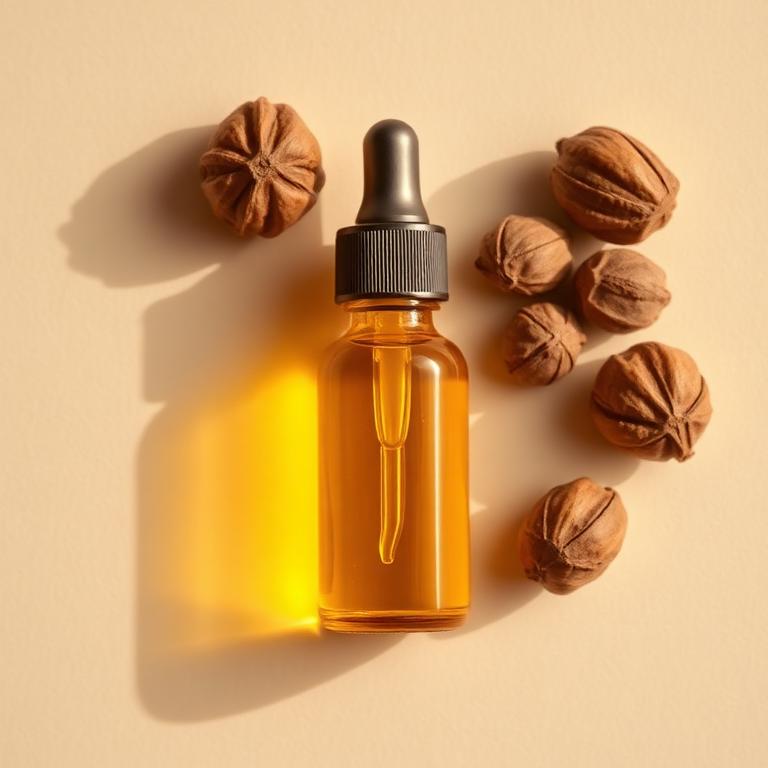
Argan oil (or jojoba for fine hair)
1 tsp (5 ml)Lightweight emollient
A thin golden oil, usually sold in a small dropper bottle. Look for 100% argan with nothing else on the label.
Smoothes the cuticle and adds shine without heaviness. Swap to jojoba if your hair is fine or low-porosity and gets weighed down easily.
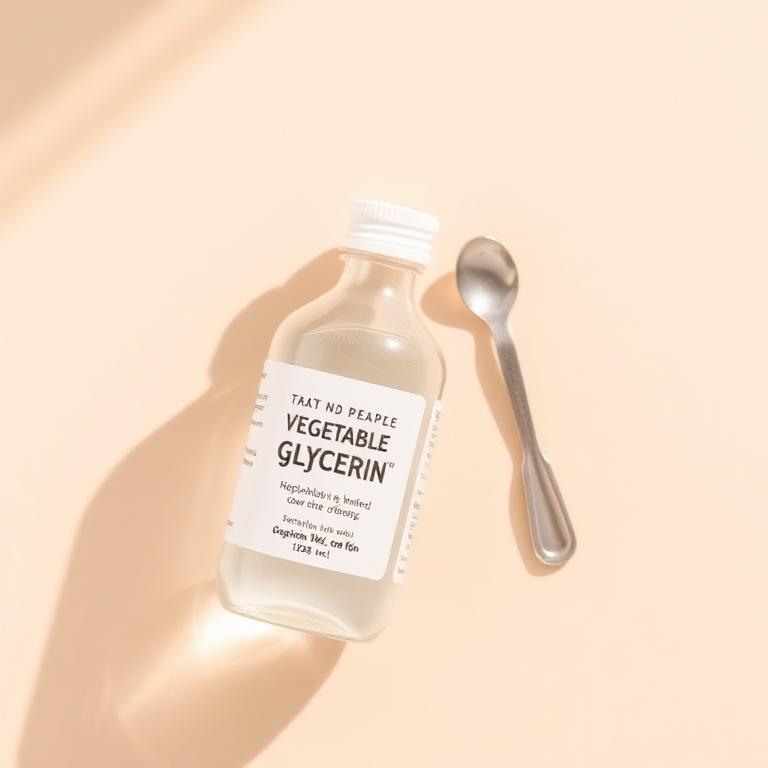
Vegetable glycerin
½ tsp (2.5 ml)Humectant
A clear, syrup-thick, slightly sweet liquid. Sold in the baking or soap-making aisle as well as beauty shops.
Draws moisture from the air into the strand. Use a little less in very humid climates to avoid a sticky feel.
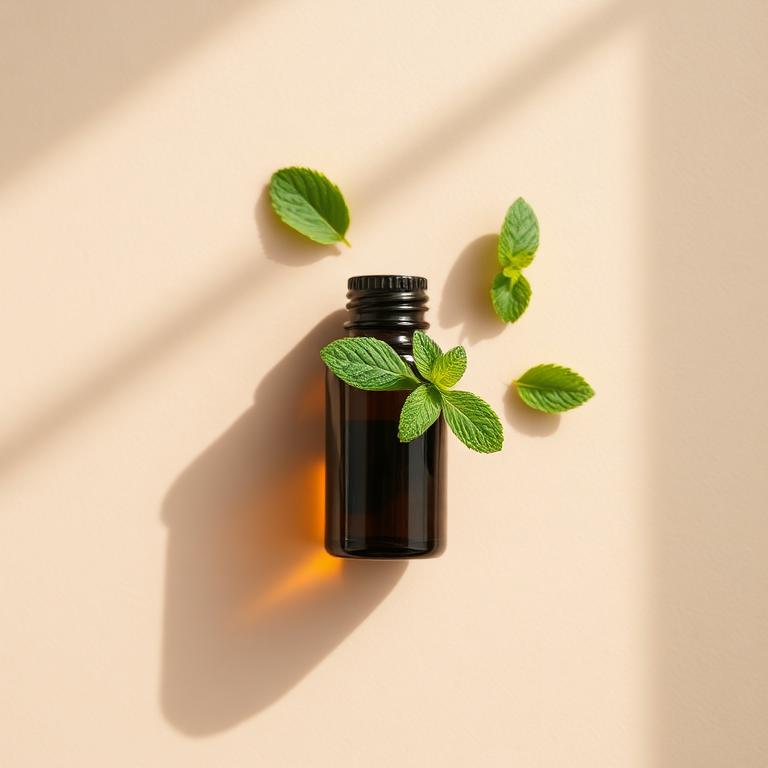
Peppermint essential oil
3 dropsScalp stimulant
A tiny dark glass bottle with a drop dispenser — very strong minty smell. A few drops is all you'll ever use.
A cooling tingle that wakes up the scalp. Always dilute in a carrier — never apply essential oils neat.
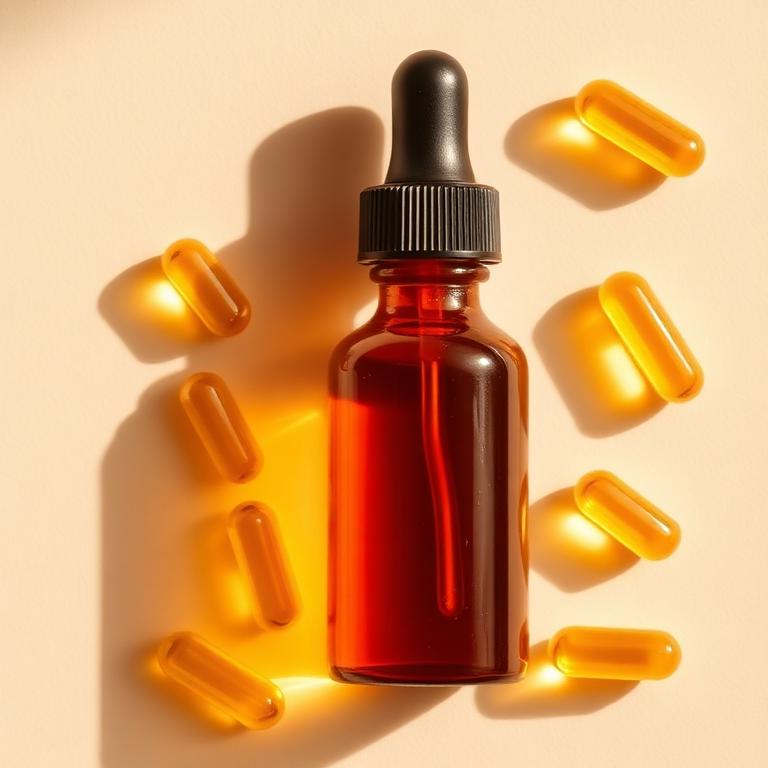
Vitamin E oil
3 dropsAntioxidant + preservative booster
A thick amber oil in a small dropper bottle — or pierce a vitamin E softgel capsule and squeeze it in.
Helps the oils stay fresh a little longer and supports a healthy scalp barrier.
How to make it
- 01
Make the rosemary water
Steep 1 tsp of dried rosemary (or a fresh sprig) per 60 ml of just-boiled water for 20 minutes. Strain and let it cool to room temperature. This is your water-humectant base.
- 02
Blend the water and aloe
Whisk the cooled rosemary water with the aloe vera gel until smooth. This is the hydrating phase of the elixir.
- 03
Add the oils and humectant
Whisk in the castor oil, argan (or jojoba), glycerin, peppermint and vitamin E. Keep whisking — it will naturally separate over time, so you'll shake before each use.
- 04
Bottle and store
Pour into a clean spray or dropper bottle. Keep it in the fridge and use within 7–10 days; natural formulas have no long-shelf-life preservatives.
Ingredient substitutions
$50 Full Shelf planAllergic to something, out of stock, or the formula doesn't suit your climate? Swap it and keep the recipe working.
A full swap table for all seven ingredients — allergen-safe alternatives, climate fixes, and exact conversion ratios so the formula still balances. Included in the $50 Full Shelf plan.
Unlock with the $50 planYour shopping list
$50 Full Shelf planBuilt from your batch size and any swaps you selected above — copy it or take it to the store.
A ready-to-shop list that follows your batch size and substitutions, with exact amounts to buy — copy it or download it. Included in the $50 Full Shelf plan.
Unlock with the $50 planThree ways to use it
As a scalp + growth treatment
Section damp hair and use a dropper to work the elixir directly onto the scalp, then massage for 2–3 minutes. Leave on for 20 minutes (or overnight under a cap) before cleansing. Twice a week.
As a leave-in moisture mist
Shake well and spritz onto soaking-wet hair from mid-length to ends after washing. Follow with your styler. Great for refresh days too — mist and scrunch upward.
As a sealing oil on dry ends
Rub a few drops between your palms and smooth over the canopy and ends to seal in moisture and tame halo frizz without flattening the curl.
Tuned to your curl type
Type 2 waves
Use the mist version sparingly — fine waves weigh down fast. Skip the castor oil or halve it, and lean on argan or jojoba.
Type 3 curls
The full formula works well. Use the scalp treatment twice a week and the leave-in mist on refresh days.
Type 4 coils
Coils drink moisture. Double the castor oil for sealing, use the overnight scalp treatment, and pair with a butter on the ends.
Mixed patterns
Treat each zone to its needs — lighter mist on the wavy canopy, heavier oil on the coily underneath sections.
Questions people actually ask
How long before I see results?+
Moisture and softness show up on the first use — hair feels less crunchy the same wash day. Reduced breakage and less shedding usually show at 4–6 weeks. Visible new length from a healthier scalp takes 3–6 months, because hair grows roughly half an inch per month and you're protecting growth you already had rather than speeding the follicle up.
How often should I use it?+
Scalp treatment twice a week is the sweet spot. The leave-in mist can be daily on soaking-wet or refreshed hair. More is not better — oils build up and can leave the scalp itchy and dull.
How do I patch test properly?+
Mix a small amount, dab a coin-sized spot on the inside of your forearm or behind the ear, cover with a bandage and leave it for 24 hours. Redness, itching, bumps or burning means stop. Test again separately any time you swap an ingredient — test the new one alone, not the whole blend.
The peppermint burns. How do I prevent irritation?+
Peppermint should tingle, never sting. Bring it down to 1 drop per 100 ml (a 0.05% dilution), and never add it to the mix undiluted — always into the oil phase first. Apply to a dry, unbroken scalp, never right after cleansing with a clarifying shampoo, never after scratching, and keep it well away from the eyes and hairline near the temples. If it still burns, rinse with cool water and a gentle conditioner, and switch to lavender or chamomile from the substitutions list above.
Can I use it if I'm pregnant or nursing?+
Skip the peppermint and rosemary essential oil forms and use the lavender or no-essential-oil version. Rosemary as a weak water infusion is generally considered fine, but check with your provider first.
How long does a batch keep?+
7–10 days in the fridge. It has water in it and no broad-spectrum preservative, so if it smells off, looks cloudy, or has anything floating in it, throw it out and mix fresh. Use the scaler above to make exactly what you'll finish.
Will it work on locs, protective styles, or braids?+
Yes — use the dropper on the scalp between parts and the mist lightly on the length. Avoid heavy oils on freshly installed braids; they attract lint.
Can I use it with color-treated or heat-damaged hair?+
Yes, and it's especially helpful there. Add a protein step in your routine separately — this elixir is a moisture and scalp formula, not a bond builder.
Why is my hair sticky or crunchy after using it?+
Almost always glycerin, and almost always climate. Cut the glycerin by half, or swap it out entirely using the substitutions section.
A quick safety note
- · Always patch-test on your inner arm 24 hours before first use.
- · Never apply essential oils neat — dilute them in a carrier oil or water.
- · Skip peppermint if you're pregnant or nursing, or swap it for lavender.
- · This is a cosmetic recipe, not a medical treatment. If you have a scalp condition, check with a dermatologist.
Want a full personalized routine built around this elixir? Take the hair analysis quiz or see the plans & prices.